
How to Buy Low, in an All-Time High Market
Buying property shouldn’t feel like guesswork. But with benchmark transactions, rising land costs, and constant market noise, many buyers enter without modelling their exit.
We help you buy with clarity using our C.L.E.A.R. Framework so your entry is disciplined and your exit is planned.
Entry price discipline
Layout liquidity checks
Demand & supply analysis
Risk trade-off clarity
What you’ll get (15-min clarity)
Entry price sanity check (benchmark vs reality)
Demand depth & upcoming supply assessment
Exit-friendly layout considerations
Risks & trade-offs, surfaced upfront
We are Live Better
Live Better SG is a property advisory platform focused on helping buyers navigate Singapore’s property market with clarity.
We believe buying property isn’t about chasing the next hot project — it's about understanding risk, entry price and long-term exit potential.
Our goal is simple:
Help you buy with confidence, not pressure.
The Hidden Risk Most Buyers Don’t See
Exit is assumed… not planned
Most buyers focus on entry:
• Can I afford it?
• Is it new?
• Is the layout nice?
• Are prices going up?
But very few ask the harder question:
How will I exit this if I need to?
In a rising market, exit feels easy. In a cooling market, exit feels painful.
The stress often doesn’t come when buying. It comes years later — when circumstances change: family, job, rates, timeline, or competing supply.
What changes 3–5 years later
You need to upgrade or right-size
More sellers list similar units
New GLS launches compete nearby
Demand pool becomes price-sensitive
The property wasn’t “bad”. The risks were never surfaced.
Mini Case Study
Recently, we helped a buyer secure a brand-new unit with immediate move-in — nearly $100K below recent transactions, on a higher floor — despite peak market pricing.
What we checked
Pricing benchmark within the development
Competing resale supply nearby
Demand pool depth and buyer profile
Seller urgency & negotiation leverage
Key takeaway
It wasn’t luck. It was clarity creating leverage.
That’s why we built CLEAR.
The CLEAR Framework
Buying property in a strong market can feel confusing. Prices move quickly, transactions set new benchmarks, and buyers often feel pressured to make decisions before fully understanding the long-term implications.
The challenge isn’t simply finding a property.
The real challenge is ensuring that the property you buy today still gives you flexibility tomorrow.
This is especially important since we are in an All-Time High Market.
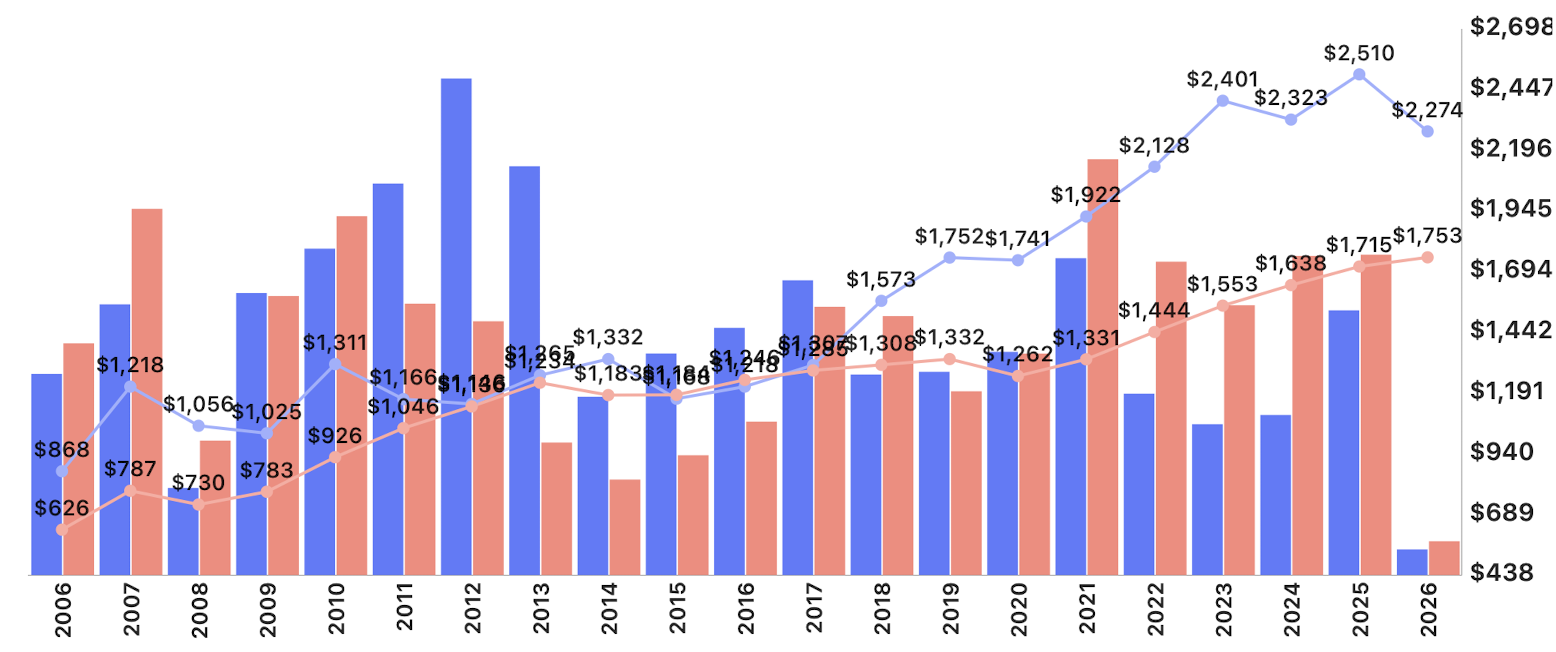
Where 1 wrong move may be extremely costly and set you back years of hard work.
This is where our CLEAR Framework comes in.
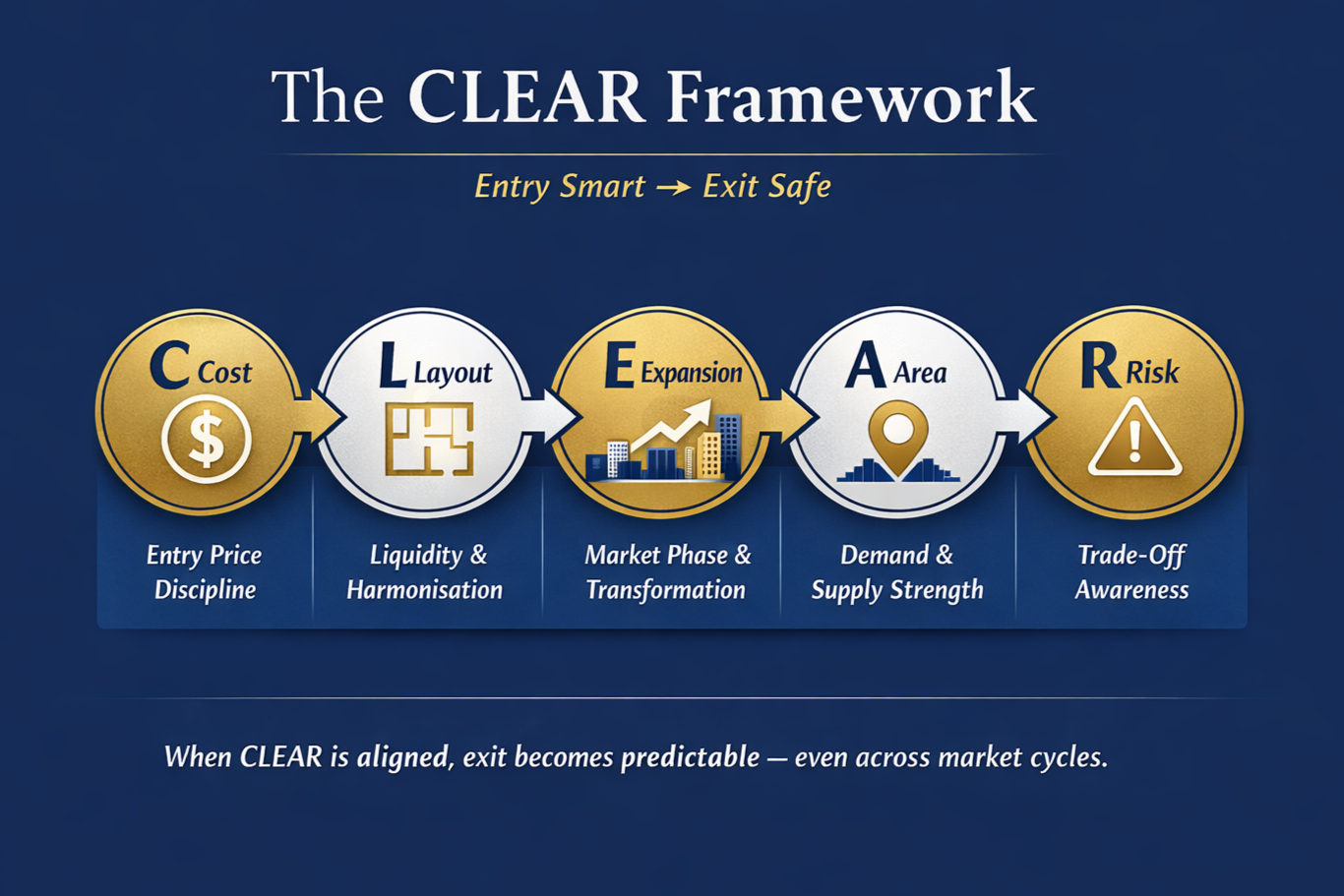
Once we are CLEAR
entry is disciplined and
exit is defined.
No property is perfect.
If it feels perfect,
you’re probably paying a premium.
Our goal isn’t perfection
it’s clarity.
The CLEAR Framework
No property is perfect. If it feels perfect, you’re probably paying a premium.
Our goal isn’t perfection — it’s clarity.
Cost (Entry Price Discipline)
Pricing relative to region, new vs resale gap, development benchmark, and negotiation leverage.
Example:
Buyer considering a 2-bed at $2,250 psf.
Similar stacks transacted at $2,180–$2,200 psf.
Seller needed timeline certainty.
We entered below benchmark — creating buffer from day one.
Layout (Effective Space & Harmonisation)
Efficiency, livability, and future resale liquidity — not just “looks nice”.
Example:
Two units at similar price.
One had wasted corridor space; one had an efficient living layout.
We chose the more liquid layout — even though the view was slightly less impressive.
Expansion (Transformation & Market Phase)
Are we early, mid, or late cycle? Is upside ahead — or already priced in?
Example:
Project already appreciated significantly post-TOP.
Transformation was largely priced in.
We shifted to a nearby project earlier in its growth phase — better upside cushion.
Area (Demand & Supply Strength)
Competing resale supply, upcoming new launches, demand depth, and your future buyer profile.
Example:
Buyer liked a boutique project.
But multiple GLS sites were launching nearby within the next 1–2 years.
Future supply would compete directly — we recalibrated before committing.
Risk (Trade-Off Awareness)
No property is perfect — we define what you’re compromising, and whether it’s acceptable.
Example:
Client wanted the highest floor premium stack.
We assessed resale pool and price sensitivity.
Opted for mid-high floor — preserved capital while maintaining liquidity.
Once we are CLEAR, entry is disciplined and exit is defined.
Where 1 wrong move may be extremely costly and set you back years of hard work.
This is where our CLEAR Framework comes in.
Buying property in a strong market can feel confusing. Prices move quickly, transactions set new benchmarks, and buyers often feel pressured to make decisions before fully understanding the long-term implications.
The challenge isn’t simply finding a property.
The real challenge is ensuring that the property you buy today still gives you flexibility tomorrow.
This is especially important since we are in an All-Time High Market.
The CLEAR Framework
Risk mitigation → sound exit planning
No property is perfect. If it feels perfect, you’re probably paying a premium.
Our goal isn’t perfection — it’s clarity.
Once we are CLEAR, entry is disciplined and exit is defined.
Cost (Entry Price Discipline)
Pricing relative to region, new vs resale gap, development benchmark, and negotiation leverage.
Example:
Buyer considering a 2-bed at $2,250 psf.
Similar stacks transacted at $2,180–$2,200 psf.
Seller needed timeline certainty.
We entered below benchmark — creating buffer from day one.
Layout (Effective Space & Harmonisation)
Efficiency, liveability, and future resale liquidity — not just “looks nice”.
Example:
Two units at similar price.
One had wasted corridor space; one had an efficient living layout.
We chose the more liquid layout — even though the view was slightly less impressive.
Expansion (Transformation & Market Phase)
Are we early, mid, or late cycle? Is upside ahead — or already priced in?
Example:
Project already appreciated significantly post-TOP.
Transformation was largely priced in.
We shifted to a nearby project earlier in its growth phase — better upside cushion.
Area (Demand & Supply Strength)
Competing resale supply, upcoming new launches, demand depth, and your future buyer profile.
Example:
Buyer liked a boutique project.
But multiple GLS sites were launching nearby within the next 1–2 years.
Future supply would compete directly — we recalibrated before committing.
RRisk (Trade-Off Awareness)
No property is perfect — we define what you’re compromising, and whether it’s acceptable.
Example:
Client wanted the highest floor premium stack.
We assessed resale pool and price sensitivity.
Opted for mid-high floor — preserved capital while maintaining liquidity.
Want to see if your purchase is CLEAR?
Want to see if this move makes sense for you?
Before committing to your next purchase, let’s see if it’s CLEAR: what you’re paying relative to market, who your future buyer is, what supply is coming, and where the risks lie.
Entry price sanity check (benchmark vs reality)
Demand depth + upcoming supply read
Layout liquidity & exit considerations
Risk trade-offs, surfaced upfront